You signed up for a six-week drawing course. For two weeks, you practiced after dinner on Tuesdays and Thursdays. Then work ran late a few times, you missed a week, and the sketchbook stayed shut. When you finally have an evening free, opening it feels like signing up for the whole course again.
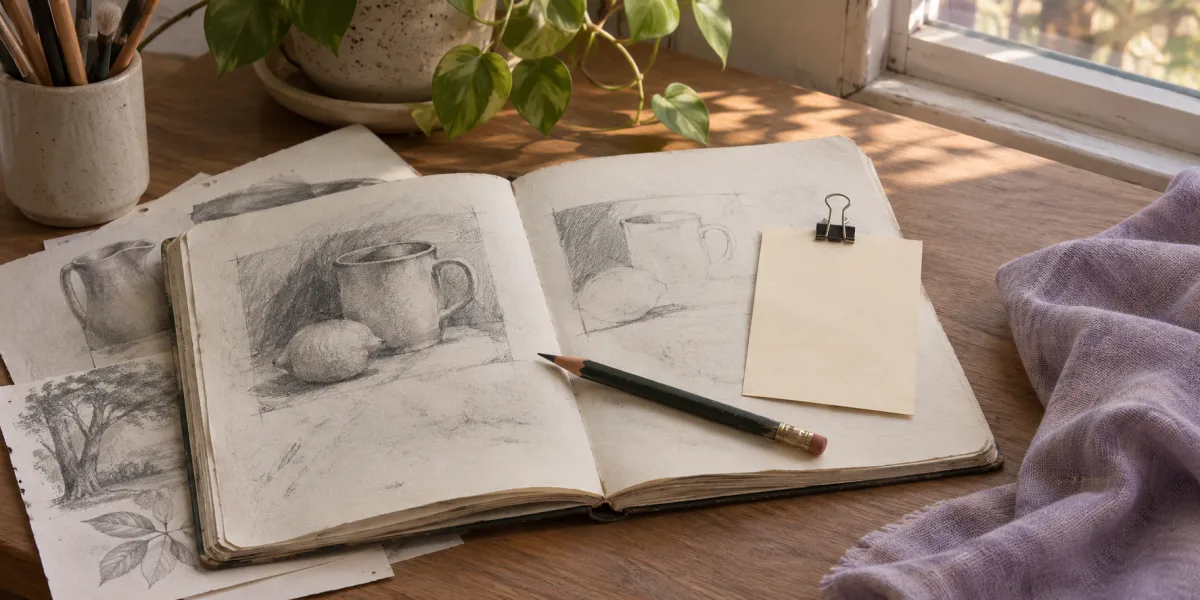
Open the sketchbook to the last page you worked on. Pick one mark you could make today, like shading under the mug in an unfinished sketch. Give yourself 15 minutes to get back to it. Jump to the restart plan.
Try one 15-minute restart
- First 2 minutes. Find where you left off. Open the last file, page, or lesson you used. Write down one thing that’s already done and one action you can take next. If you need a lesson video, go to the part that shows that action.
- Next 10 minutes. Do that one action. Set a timer and work on the small step you wrote down. If you remember something else you missed, jot it in the margin and come back to the step.
- Last 3 minutes. Leave a note for next time. Write what you did and what to do first when you return. Put the note where you’ll see it, such as inside the sketchbook. Pick a time for that next session that fits the week you have.
Why long-term goals can stall with ADHD
A goal like “get better at drawing” tells you what you want by the end of six weeks. On a busy Tuesday, you still have to decide which lesson to reopen, find the sketch you were working on, and figure out where to begin. The U.S. National Institute of Mental Health describes planning, staying on task, and finishing projects as areas that can be difficult for adults with ADHD. NIMH on ADHD in adults
A change in your week can take away the moment that used to cue the habit. When a late shift cuts into your after-dinner practice, you also have to decide when to return. Add the thought of catching up on three exercises, and the next session can feel bigger than the ones you were doing before.
In a 12-week study, participants repeated a daily behavior in a consistent setting, such as after breakfast. Missing a single chance to repeat it had little effect on progress toward doing it automatically. Lally and colleagues, 2010
If you miss several sessions, open the work you already did and use it to pick up the thread.
Pick up the drawing you already started
Your sketch already has the mug and lemon in outline. For today, work on the shadow under the mug. Leave the lemon for next time. One short note can tell you both what to open and what to do when you get there.
I shaded under the mug. After dinner on Thursday, open this page and sketch the shadow to the left of the lemon.
If Thursday runs late again, move the same small step to the next time that fits, such as Saturday after your morning coffee. Keep the note with the sketch. When you return, the first action is already there.
Give the restart a start and a finish with FlightFlow
Once you’ve written down the next step, you can use a short flight to time it. Open FlightFlow, choose a Focus Flight, set the duration to fit that step, and pick a virtual destination.
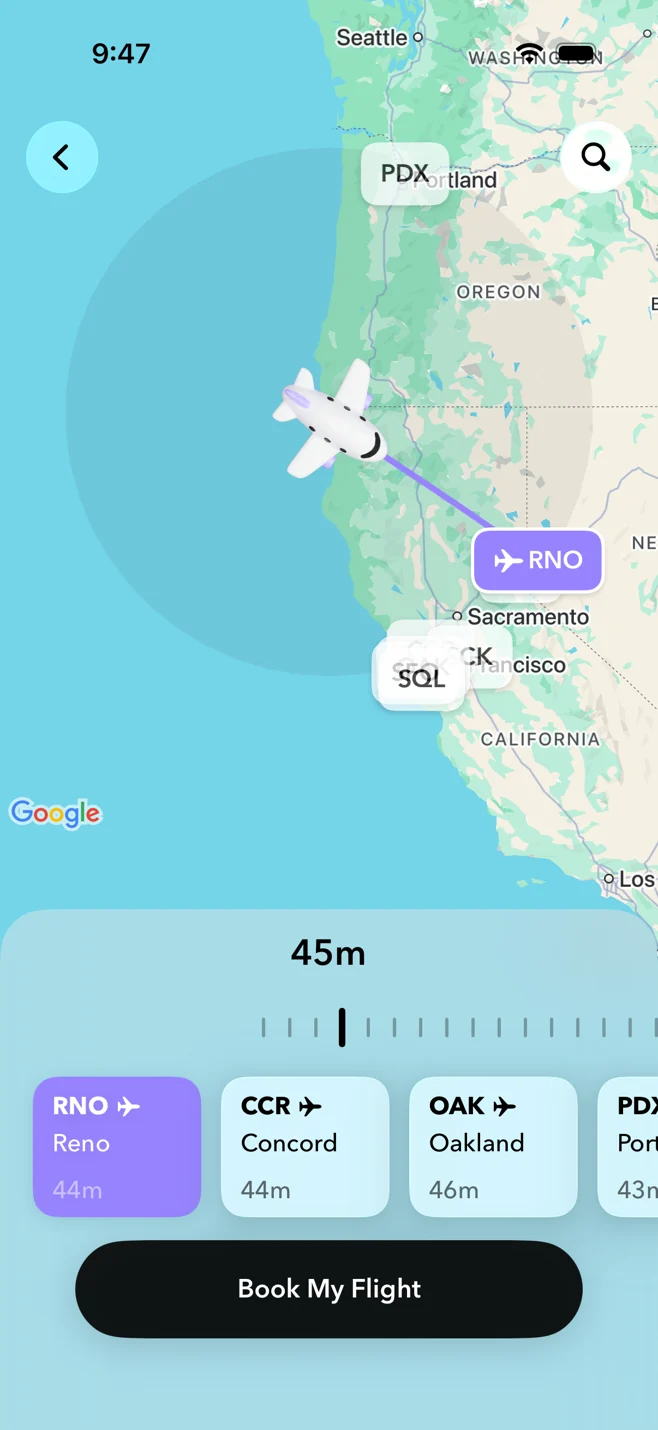
Leave the sketchbook open at the page you marked. Choose a seat and tear your boarding pass. Start the step when you take off, then leave your next note as the flight comes in to land.
If a flight suits the way you want to time that session, get FlightFlow and try it with the page you already have open.