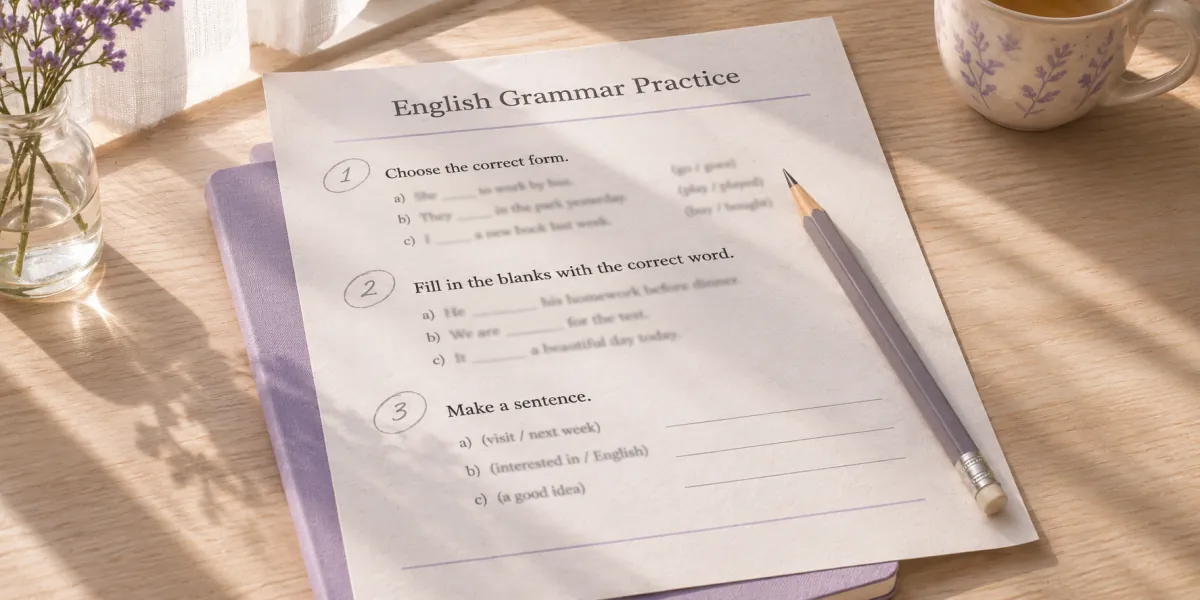

You read two lines, someone at the next table starts talking, and you go back to the top of the paragraph. A few minutes later, you’ve read the same lines three times. Try moving away from the conversation if you can. If you’re staying put, pick a short section and give yourself an easy way to find your place again.
Jump to the 15-minute reading plan · Listen to the cabin sound
Why nearby conversations make you reread
It’s easy to get drawn into a conversation you can understand, even when it has nothing to do with you. In a 2019 eye-tracking study, readers went back over the text more often when they heard speech they understood than when they heard an unfamiliar language or read in silence. In those experiments, comprehension suffered when readers couldn’t go back over earlier words. Vasilev and colleagues, 2019
Choose what to do about the noise
You can follow the conversation. Try moving a few seats away or turning so the speakers are out of sight. Read one paragraph there before deciding whether you need headphones.
You hear a steady fan or distant traffic. Read a few lines with the room as it is. If you can explain what you just read, you may already have a workable spot.
People keep interrupting you directly. If you can, tell them when you’ll be available again. If the room is going to stay busy, use the time to mark the sections you need to read and save the harder passages for a quieter block.
Try a 15-minute reading plan
- First 2 minutes. Pick a short section. Choose the next two paragraphs and mark where they end. Write down what you want to learn from them in one question.
- Next 10 minutes. Read and mark your place. When you get interrupted, put the pencil at the last line you understood. Pick up from that line when you’re ready. If you still can’t follow it, go back one sentence and reconnect the ideas.
- Last 3 minutes. Answer your question from memory. Close the book and write one sentence. Then open it and check your answer. Mark anything you still don’t understand so it’s easy to find next time.
Say you’re reading a geography chapter and your question is “What’s the difference between weather and climate?” Someone interrupts you halfway through the second paragraph. Mark the last line that made sense and return to it. When the timer ends, your answer might be this.
A rainy afternoon is an example of weather. Climate describes the pattern of weather in a place over many years.
If you only finished one paragraph, write down what you got from it and mark the next line. You now have a clear place to pick up.
Try the airplane cabin sound
If voices still draw you in, try a steady sound at a low volume. The clip below is 20 seconds from the Airplane seat in FlightFlow. Read a short paragraph with the room as it is, then try another of similar difficulty with the clip on. See which one was easier to summarize. If the sound keeps drawing your attention, lower it or continue without it.
Take the same reading plan on a Focus Flight
If you like the cabin sound and want a clear stopping point, choose a Focus Flight and pick a virtual destination for a short session. Preview Airplane on the seat screen, select the seat, and tear your boarding pass. Start reading at the line you marked as soon as you take off.
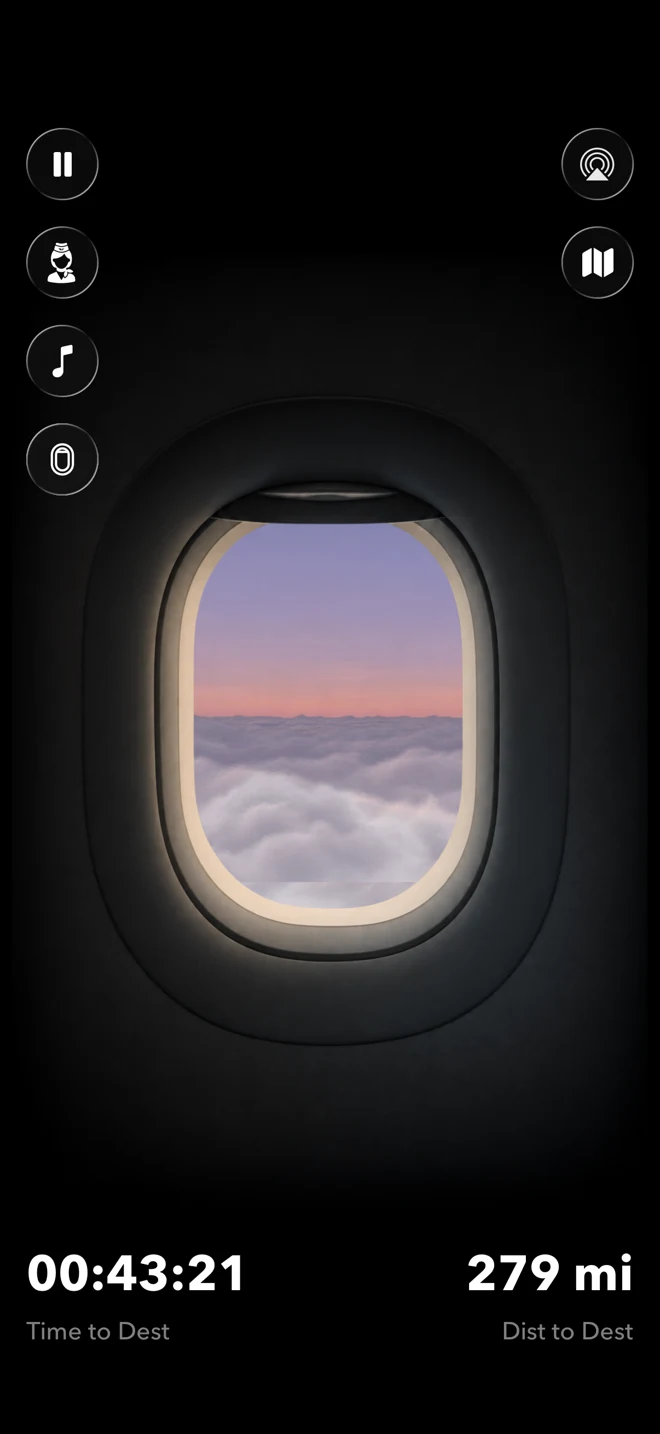
Near landing, close the book, write your one-sentence answer, and mark where you’ll start next time. Try one reading session on a FlightFlow focus flight.
Still putting off the first page? Try the one-page approach to getting started.